

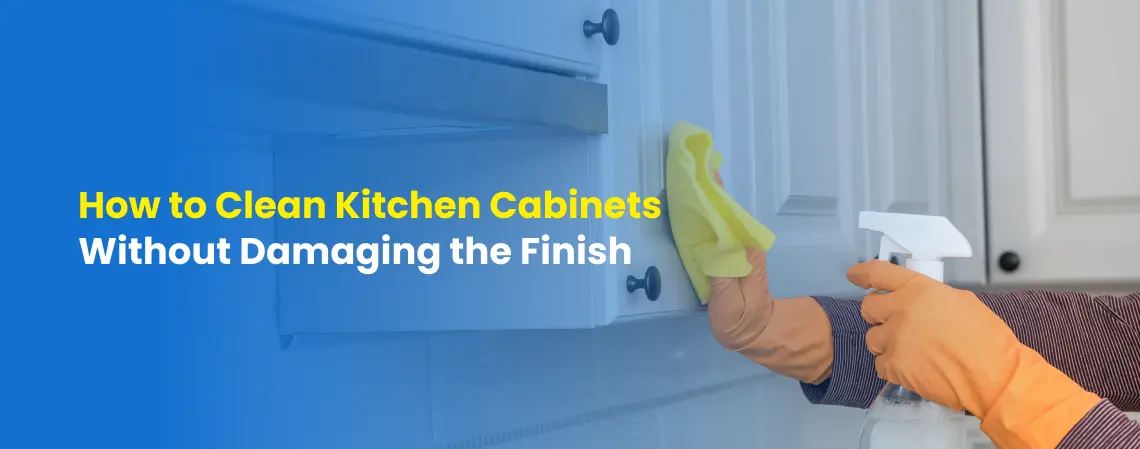
Kitchen cabinets are often magnets for grease, dust, and fingerprints but cleaning them the wrong way can dull their finish or cause long-term damage. Whether you have wood, laminate, or painted cabinets, it’s important to use the right methods and materials that preserve their original look.
This guide walks you through safe, effective techniques to protect your cabinet surfaces. From routine upkeep to learning how to deep clean cabinets and tackle stubborn buildup, you’ll discover what products to use and avoid so your kitchen stays spotless, polished, and damage-free for years to come.
When & How Often Should You Clean Kitchen Cabinets?
Keeping your cabinets clean not only maintains their appearance but also prevents long-term wear and tear. A consistent routine helps control buildup and supports a healthier kitchen environment
Routine Maintenance Schedule
Weekly: Wipe down cabinet exteriors with a damp microfiber cloth to prevent grease buildup. This simple step helps reduce dirt before it hardens.
Monthly: Deep clean high-touch areas like around handles and near stovetops. Use a mild, natural cabinet cleaner to safely lift dirt without damaging the finish.
Quarterly: Empty cabinets completely and clean inside shelves and drawers. It’s also a good time to remove grease from kitchen cabinet handles, which tend to collect hidden buildup over time.
Regular cleaning prevents long-term staining, reduces allergens, and extends the life of your cabinetry keeping your kitchen looking fresh and functional.
What You’ll Need to Clean Kitchen Cabinets
To clean your cabinets safely and effectively, you’ll need a few common household supplies. Each item plays a specific role in removing grease, food splatters, and dust without damaging the finish.
Basic Supplies:
- Mild Dish Soap (like Dawn) : A gentle yet powerful cleaner for breaking down light grease and dust without stripping protective finishes. Safe for wood, laminate, and painted surfaces.
- Warm Water : Helps dissolve sticky residue and activates cleaning agents. Always use warm (not hot) water to avoid damaging cabinet coatings.
- White Vinegar : A natural disinfectant and deodorizer. When diluted with water, vinegar to clean kitchen cabinets can cut through grease and leave surfaces fresh without harmful chemicals.
- Baking Soda (for Tough Stains) : Acts as a mild abrasive to scrub stubborn spots. Ideal for sticky messes or dried spills without scratching the surface.
- Microfiber Cloths : Soft and lint-free, these clothes gently lift dirt and dust. They’re excellent for polishing cabinet doors without leaving streaks or causing scratches.
- Soft-Bristled Brush or Toothbrush : Perfect for getting into grooves, corners, and around hardware. Use gently to lift dirt from textured or detailed surfaces.
- All-Purpose Cleaner (Optional) : A good backup if dish soap and vinegar don’t fully clean the surface. Choose a product that’s non-abrasive and safe for cabinetry.
- Kitchen Cabinet Degreaser (Optional) : For especially greasy areas like above the stove a kitchen cabinet degreaser helps dissolve baked-on residue. Use it sparingly and only on finishes it’s labeled safe for.
- Spray Bottle: Use to mix and apply your cleaning solution (e.g., vinegar and water or diluted dish soap) evenly across cabinet surfaces.
Avoid : Abrasive sponges, harsh chemicals like bleach or ammonia, or soaking cabinets with wet cloths. These can strip the finish, cause discoloration, or warp the material especially on wood or laminate.
How to Clean Wood Kitchen Cabinets
Wood cabinets add natural charm to your kitchen, but they require careful cleaning to avoid moisture damage and finish deterioration. Learning how to clean wood kitchen cupboards properly helps you avoid moisture damage, preserve the protective coating, and keep them looking their best for years.
Routine Cleaning (Weekly/Biweekly)
- Prepare a mild cleaning mix by adding dish soap to warm water.
- Dampen a microfiber cloth in the solution and wipe cabinet fronts to remove dust and surface grease.
- Dry immediately with a clean, dry cloth to prevent water stains or swelling.
Deep Cleaning for Grease & Stains
- Fill a spray bottle with a 1:2 mix of vinegar to water and shake thoroughly.
- Spray on greasy or stained spots and let it sit for 2–3 minutes.
- Scrub softly with a gentle brush, then clean off any residue and dry the surface well.
- For added shine and protection, you can apply a small amount of wood polish afterward.
Pro Tip : The best way to clean sticky cabinets, especially around handles or near cooking areas, is to apply a baking soda paste (baking soda + water), briefly, then clean the area with a soft cloth or toothbrush.
How to Clean Painted Kitchen Cabinets
Painted cabinets, especially those with matte, satin, or chalk finishes require gentle care to avoid scratches, streaks, or peeling. Knowing how to clean kitchen cabinet doors properly helps maintain their appearance without damaging the paint.
Routine Cleaning
- Wipe the area clean using a microfiber cloth soaked in diluted dish soap
- Gently wipe the surface to remove dust, splatters, and light grease.
- Avoid soaking the surface, as too much moisture can lead to bubbling or warping.
- Immediately dry the surface using a fresh cloth to prevent water marks or damage.
Spot Cleaning Stains or Marks
- Treat tough stains by applying a mixture of baking soda and water. Rub gently to lift the spot, then wipe clean.
- To remove stains, use a melamine foam sponge (like a Magic Eraser) sparingly test it first on an inconspicuous area.
How to Clean Laminate Kitchen Cabinets
Laminate cabinets are more resistant to stains and moisture than wood or painted finishes, but they still require regular maintenance to stay looking their best. Understanding the right method for cleaning laminate cabinet surfaces assures longevity without damaging the material.
Daily or Weekly Wipe-Down
- A simple mix of dish soap and warm water works best for everyday cleaning.
- Use a non-abrasive sponge or microfiber cloth to wipe away dust, splatters, and fingerprints
- Avoid using excess water, especially near edges or seams, as laminate can swell or peel over time if too wet.
Tough Grease or Sticky Residue
- Mix a 1:1 solution of white vinegar and water, or use a safe all-purpose cleaner.
- Gently scrub greasy spots with a soft-bristled brush.
- Gently wipe with a damp cloth and dry right away to prevent water marks or damage.
How to Clean Glass Cabinet Doors
Glass-front cabinets bring elegance to your kitchen but also highlight every fingerprint, smudge, and streak. With the right technique, you can keep them looking pristine without leaving residue or damaging surrounding materials.
Cleaning Tips
- Use a standard glass cleaner or a mix of vinegar and water for a streak-free shine
- Wipe gently with a lint-free cloth or paper towel to avoid leaving fibers behind.
- Clean both the inside and outside surfaces for a polished, complete look.
Tip : Don’t spray cleaner directly onto the glass, spray it onto the cloth to prevent moisture from seeping into cabinet frames.
Best Way to Remove Grease from Kitchen Cabinets
Grease buildup on kitchen cabinets especially near stovetops is common but manageable with the right techniques. Whether you prefer natural methods or dish soap-based solutions, here’s how to clean greasy kitchen cabinets without damaging the finish.
Natural Degreaser Method
- Fill a spray bottle with equal portions of white vinegar and water.
- Mix in lemon juice to increase the solution’s ability to break down grease.
- Spray the affected areas, give it a minute to work, and gently scrub using a soft-bristled brush.
Baking Soda Paste (for Heavier Buildup)
- Combine baking soda and water to create a thick paste
- Apply it to greasy areas, scrub softly in circular motions, and wipe clean with a damp cloth.
Bonus Tip : For especially stubborn spots, apply a small amount of degreasing dish soap directly to the stain and rinse thoroughly ideal for tackling old or cooked-on grease.
General Kitchen Cabinet Cleaning Tips
No matter the material wood, laminate, glass, or painted these universal tips help protect your kitchen cabinets from unnecessary wear and guarantees a longer lifespan.
- Test First : Always test any cleaner on a hidden area to make sure it doesn’t damage the finish or discolor the surface.
- Dry Immediately : Never allow water or cleaning solution to sit on cabinet surfaces. Wipe dry right after cleaning to avoid warping or staining.
- Clean Hardware Separately: Use a damp cloth and a drop of mild dish soap to clean knobs, pulls, and hinges. Avoid harsh chemicals that may corrode metal.
- Don’t Overload Cabinets :Heavy stacking inside cabinets can stress shelves and hinges. Organize efficiently and avoid overstuffing to preserve structural integrity
Frequently Asked Questions (FAQs)
1. Can I use vinegar on wood cabinets?
Yes, but only when diluted, mix 1 part vinegar with 2 parts water. Avoid excessive moisture, and always dry immediately after cleaning to prevent damage to the wood finish.
2. How can I effectively get rid of sticky residue?
Baking soda and water paste works well for sticky spots. Lightly spread the mixture using a soft cloth or brush, rinse off, and dry well. This is often considered the best way to clean sticky cabinets without damaging the surface.
3. How do I make cabinets shine again?
After cleaning, apply a cabinet-safe polish or a small amount of mineral oil to wood cabinets. For laminate or painted surfaces, use a microfiber cloth to buff them dry for a natural shine.
4. Are commercial degreasers safe for cabinets?
Most are, but always read the label. Choose products marked safe for your cabinet material (wood, laminate, or painted). For routine cleaning, choose a mild natural cabinet cleaner or a diluted dish soap solution.